

Min’s Morning Brew: black coffee
Today’s Tarot Deck: The Rider-Waite-Smith Deck, Centennial Edition
Today’s Tarot Card: The Devil, reversed
Today’s Mission: To honor the journey and celebrate triumph
I made vegetarian onigiri for dinner last night with faux-fish and peppers as the filling, and it reminded me how far I’ve come in my food journey.
“When I was a child, I had Avoidant/Restrictive Food Intake Disorder (ARFID). Asking me to eat something I didn’t want to was like asking me to eat a sponge: just not possible.”
According to the Cleveland Clinic, “Avoidant/restrictive food intake disorder is a condition that causes you to limit the amount and type of food you eat. It isn’t the result of a distorted self-image or an attempt to lose body weight, which is common among other eating disorders.” No amount of begging, bribing, coaxing, threatening, punishment, scolding, or starvation would entice me to eat something that I didn’t want to. It wasn’t that I was a picky eater; it’s that my brain only seemed to recognize a couple of things as food, and everything else wasn’t even an option to me. I’d genuinely have rather died than eat something that wasn’t on my small list of “safe” items, which was largely comprised of: buttered spaghetti with parmesan; plain peanut butter; and plain, frozen corn. Obviously, eating this way led to nutritional deficiencies.
What Caused My ARFID?
I’m autistic and was subjected to more trauma as a young girl than anyone should go through in a lifetime, and I think both of those things contributed to my ARFID’s onset around three years old. That doesn’t mean that everyone with this disorder is being abused and neglected; that was simply the case for me. Autism predisposed me to disordered eating, and ongoing trauma and stress pushed me over the edge.
My parents were so annoyed with my refusal to eat a meal; they made it clear I was an embarrassment for a multitude of reasons, autism and ARFID chief among them. They were increasingly cruel until, finally, giving up and leaving me to fend for food myself. This wrecked my metabolism and actually caused me to gain weight, because my body was holding on to every little calorie it could get.
Overcoming ARFID
Now, autism and ARFID are better understood, and there are great resources for parents to help support their children and their nutrition upon diagnosis and beyond. I don’t know whether my parents would have been kinder if I’d been born a decade or two later, when attitudes about autism began to change. What I do know is that I’m thrilled to see other children and adults learning to manage ARFID in ways that work for them because they’re supported by loved ones who take the time to understand them rather than demonize them for their differences.
My mother left when I was still a kid, and I never heard from her again. As hard as it was to lose her, my health improved almost as soon as she left. Cognitive therapy helped, too, but I think her absence—and the subsequent cessation of the trauma and neglect she perpetuated—was the biggest contributor to my recovery. My once all-consuming obsessive/compulsive disorder vanished quickly and hasn’t been back since. My anxiety levels dropped drastically, and I began to naturally feel safer experimenting with more foods.
I moved out of my father’s home at eighteen years old, and my ARFID kept improving as I grew more confident. Now, I find myself eating things I never thought were possible when I was younger. Complex curries from my favorite Pakistani restaurant, Chit Chaat; all sorts of vegetable and fruit salads; plant-based rotary sushi from Sooshibay or Akame Sushi; spicy Thai dishes from Thai-Namite; homemade onigiri with pickled plum filling, complex Chinese and Korean dishes filled with nuts and veggies—I enjoy such a wide variety of foods now. Even by normal standards, I think I’m a rather adventurous eater. If it’s plant-based, I’m likely to be game to try it at least once. I’ve become quite a good cook, and regularly invest in new, unique spices and herbs. I’ve curated a large, varied collection of cookbooks, and I’m so proud of myself every time I try something new because that was truly an impossibility for so long. Food has become a joy rather than anxiety-inducing.
“My mother wouldn’t recognize me now for many reasons, not least of which is my triumph over ARFID.”
This eating disorder is not considered curable, but mine is so well-managed that it hasn’t been a problem for me in many years. I don’t know whether results like these are possible for everyone with ARFID, but I’m encouraged to see attitudes about it changing. I just want to share my experience with the condition to offer compassion and sympathy to those who are in the throes of it. Management may very well be achievable, and, even if becoming an adventurous eater isn’t in your cards, you deserve love, support, and understanding from your friends and loved ones. If they refuse to offer those things because of your ARFID, maybe you’re better off without them. As Jim Carrey said, “If their absence brings peace, you didn’t lose them.”
Happy eating,
Minerva
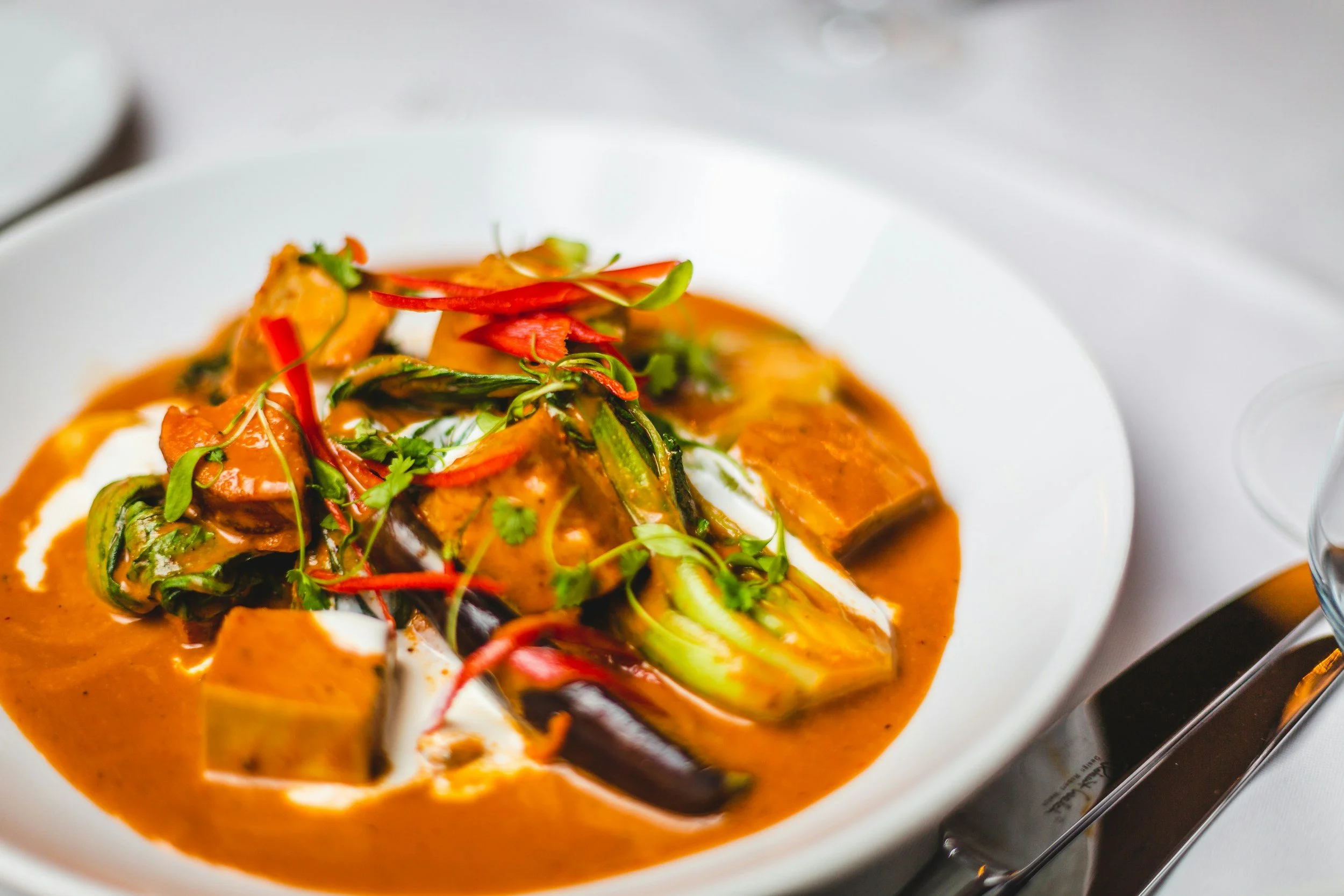
Image by Matt Smart @imattsmart, used with permission by Unsplash